
Facility inspection and security
Robots carry out patrols, equipment inspection and measurements where it is dangerous or difficult for people to be: at substations, in cable tunnels, at mining and metallurgical sites, and during emergencies. Rounds follow the schedule with no gaps, readings are saved in reports, and deviations are detected before they become accidents. Specialists receive data remotely and go on site only when it is really needed.
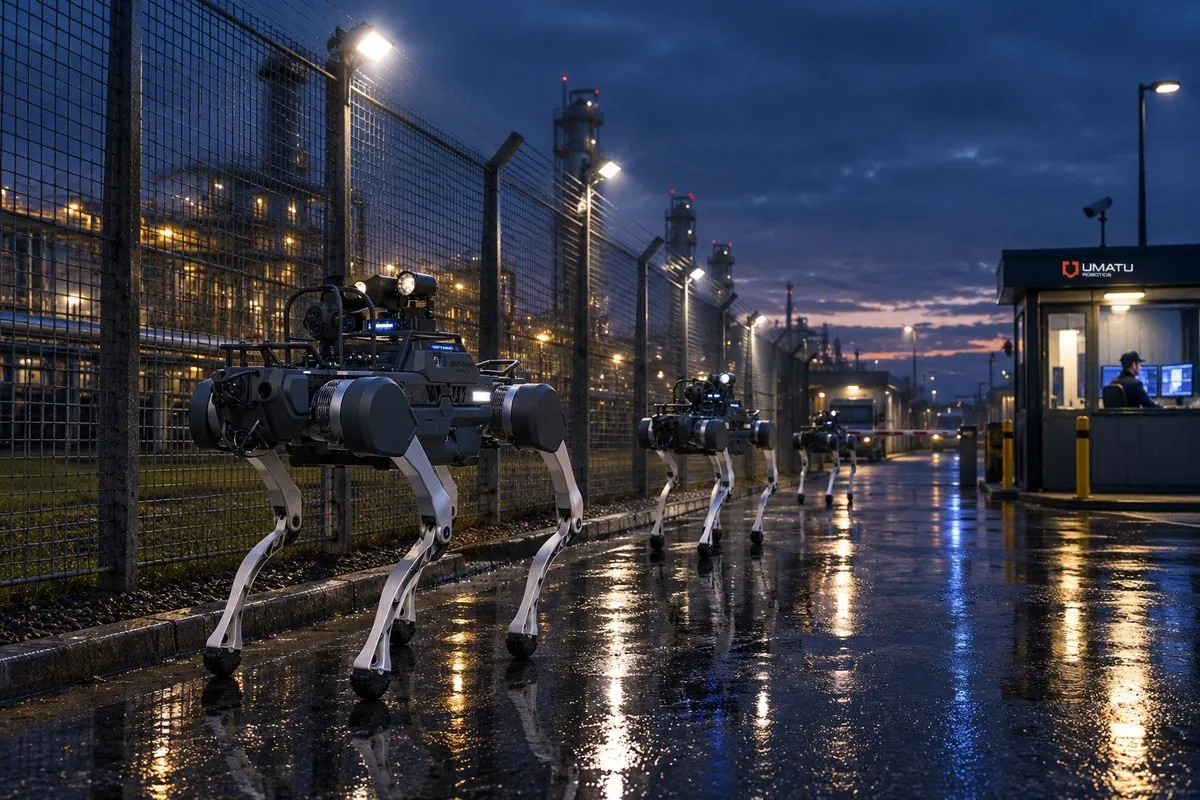
Site patrol and security
What it is
The robot patrols perimeters, parking lots, warehouses and premises on schedule or on alarm, runs video surveillance with detection of people and anomalies, and instantly sends alerts to the security post. With a detector module it checks areas and objects for traces of hazardous substances — for airports, government buildings and restricted facilities.
Why robotize
Security staff cannot constantly patrol a large area, and night rounds are the most vulnerable. The robot supports the guard post and CCTV, covers the route in any weather and logs every patrol in the system.
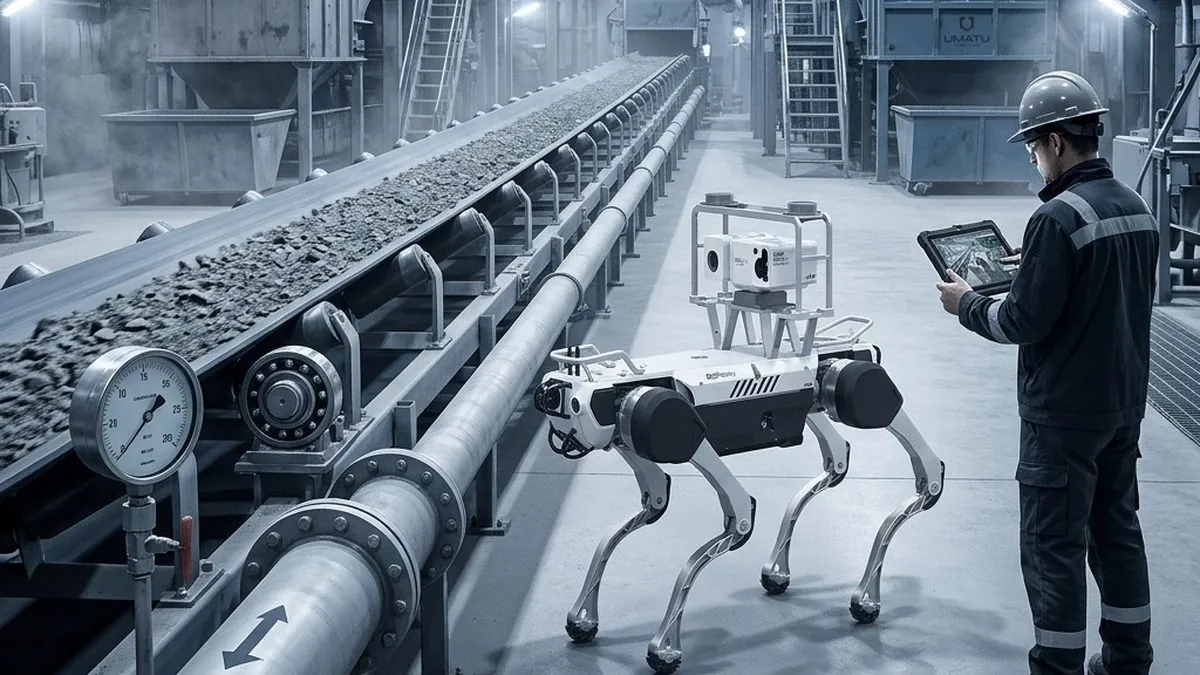
Industrial inspection
What it is
- Rounds of workshops, conveyors and process equipment: gauge readings, thermal monitoring of bearings, rollers and electrical panels, acoustic detection of leaks and abnormal noise
- Gas analysis: measuring gas concentrations along the route, gas contamination map, alerts when thresholds are exceeded
- Work in hazardous zones: gassy areas, radiation control zones, places people cannot enter without clearance
- Photos, videos and a report for every inspection point
Why robotize
Manual rounds are monotonous, records are incomplete, and overheating, leaks or rising gas levels are noticed too late. The robot covers every point the same way on every shift, goes where it is dangerous for people, compares data between rounds and shows where equipment condition is deteriorating.
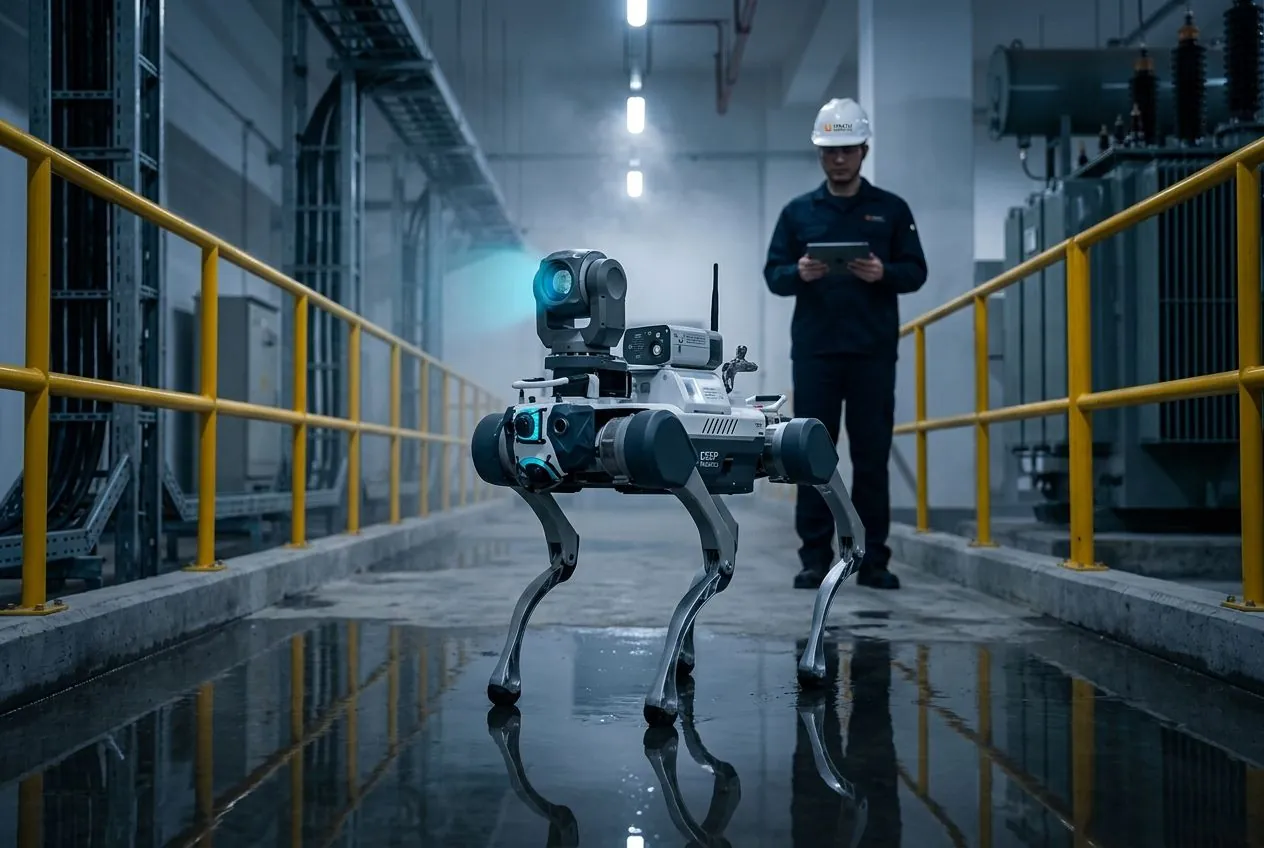
Substations and cable tunnels
What it is
Rounds of switchgear, transformers and cable tunnels with a thermal imager and camera, without sending personnel near live equipment or into confined spaces. The quadruped handles stairs, thresholds and grating floors and works day and night.
Why robotize
Reduces the risk of electrical injuries and tunnel work, and makes inspections regular. Deep Robotics was the first in China to launch fully autonomous substation inspection with quadrupeds.
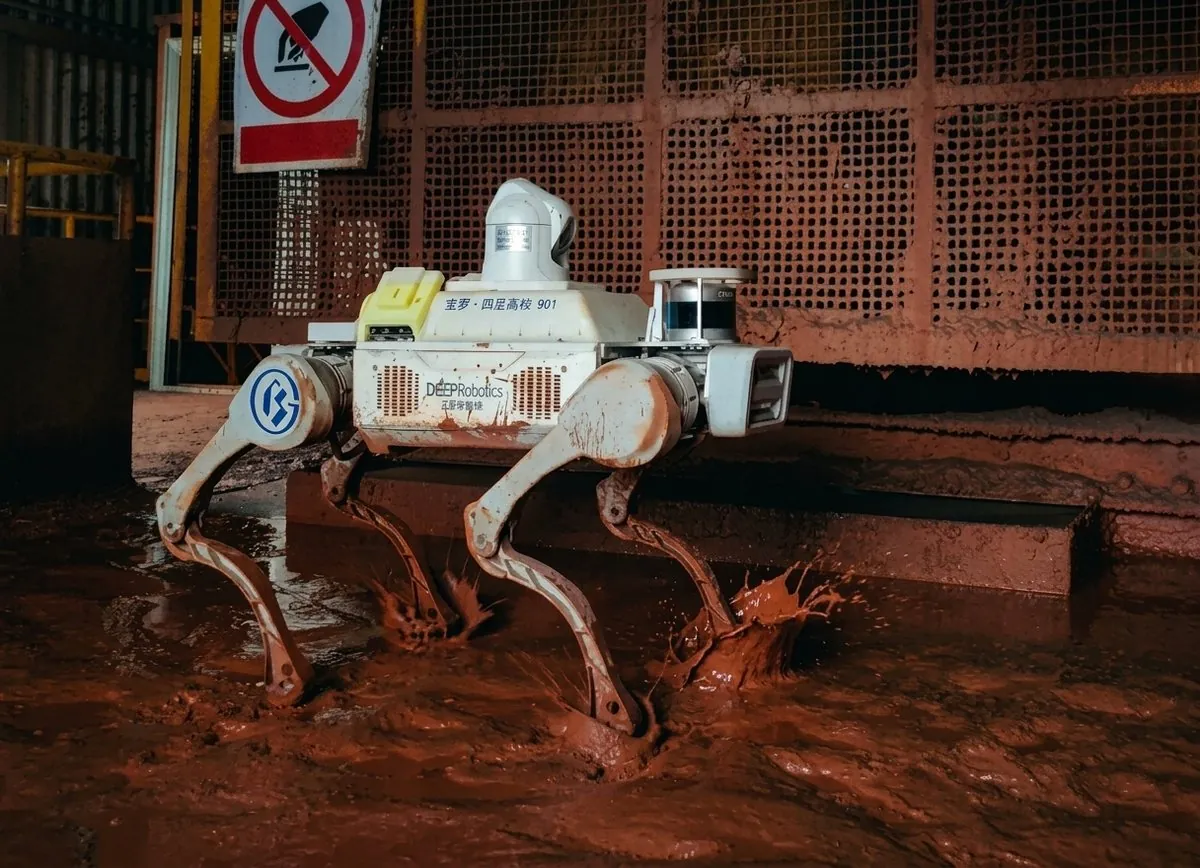
Mining and metallurgy
What it is
Unmanned patrols at processing plants, metallurgical shops, ore stockpiles and underground workings: narrow passages between pipelines and cables, dust, mud and slippery floors, stairs and debris. The robot works in any weather and collects data on equipment condition, gases and temperature around the clock.
Why robotize
Inspection staff at mining and metallurgical sites work in a high-risk zone: dust, gases, moving equipment, ankle-deep mud. The robot takes people out of these zones, reaches blind spots that manual rounds miss, and generates reports that help specialists react faster and prevent accidents.
Construction and surveying
What it is
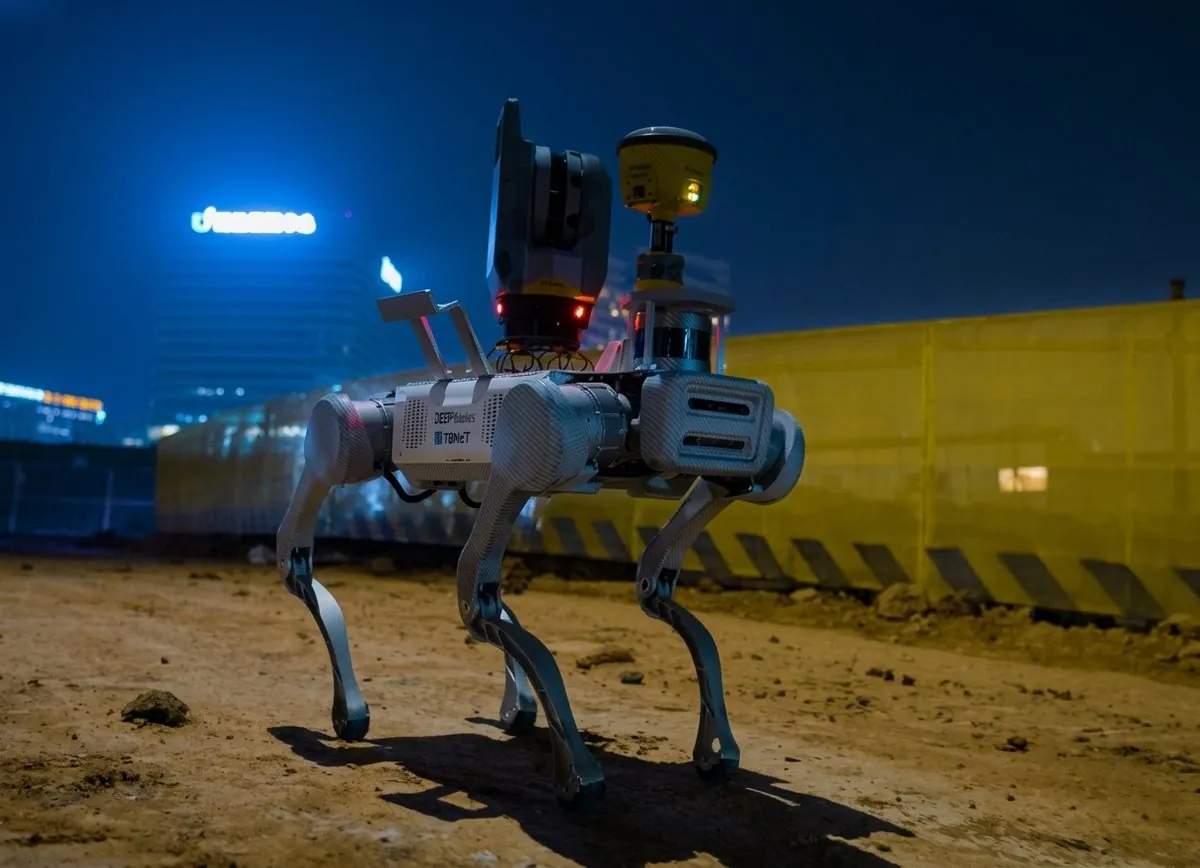
- 3D scanning of the site with a laser scanner and 360° camera capture along a set route
- Geodetic survey with satellite positioning (GNSS/RTK)
- Comparing the point cloud with the BIM model and design, deviation control
- Progress monitoring: regular passes and comparison of stages
Why robotize
Manual surveying on a construction site takes days, depends on the engineer and is done in harsh conditions. The robot automatically repeats measurements along the same route, avoids obstacles, works in several shifts and at several points at once under remote control. Results are more accurate, gaps are fewer, and engineers stay out of the danger zone.
Emergency services: fires and accidents
What it is
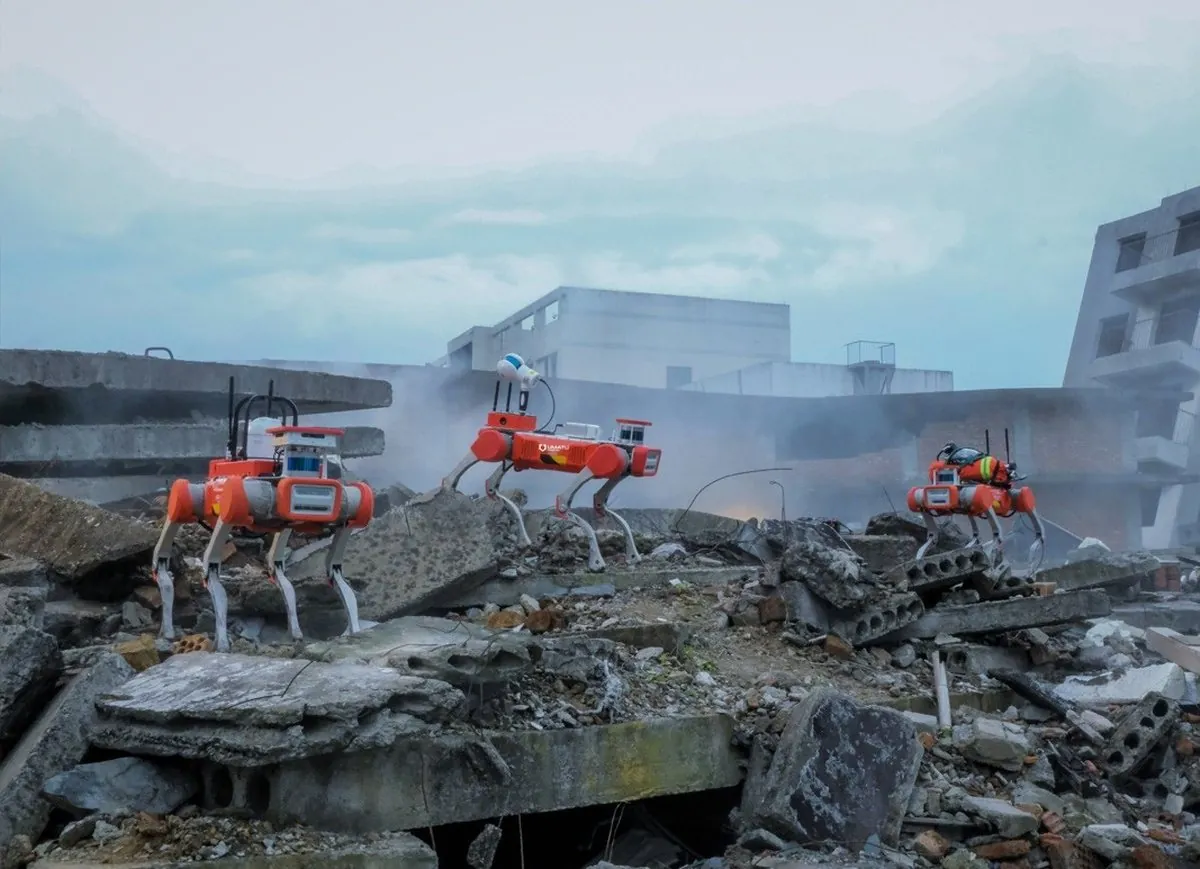
Reconnaissance of a fire or accident site before rescuers enter: the robot transmits video and thermal images, measures gas concentrations, and searches for victims in smoke-filled rooms, tunnels and industrial facilities. It climbs stairs and crosses debris.
Why robotize
The first minutes after an accident are the most dangerous for people. The robot gives the command center a picture of the situation and gas data before rescuers enter the zone, reducing risk to personnel.
Promo and exhibitions
What it is
A robot dog as the center of attention at exhibitions, conferences, openings and presentations: it walks across the stage, greets guests, performs a demo program and carries a branded panel or screen.
Why robotize
A live robot draws people to a booth better than any banner and shows that the company works with technology. The equipment can be rented for an event or purchased for permanent demonstrations.
Not only robot dogs
We choose the platform based on site conditions: stairs, mud, outdoor work, communication range. First we define what to measure and with what accuracy, then we select sensors, and only then the robot.
Quadrupeds
Quadruped robots handle stairs, thresholds, gravel and grating floors. Suitable for industrial sites with difficult terrain.
Wheeled robots
Fast and economical on flat surfaces: parking lots, perimeters, terminals, warehouse driveways.
Sensor modules
Gas analyzers, thermal imagers, PTZ cameras, dosimeters, acoustic sensors and detectors for the site's task.
How we work
- 1
Defining the task
We discuss what prevents efficient work and define the goal of robotization
- 2
Diagnostics and audit
We analyze processes and equipment on site
- 3
Design
We design the solution and its integration into your process
- 4
Integration and implementation
Supply, installation and commissioning
- 5
Service and training
Support and staff training